Spotting warning signs early
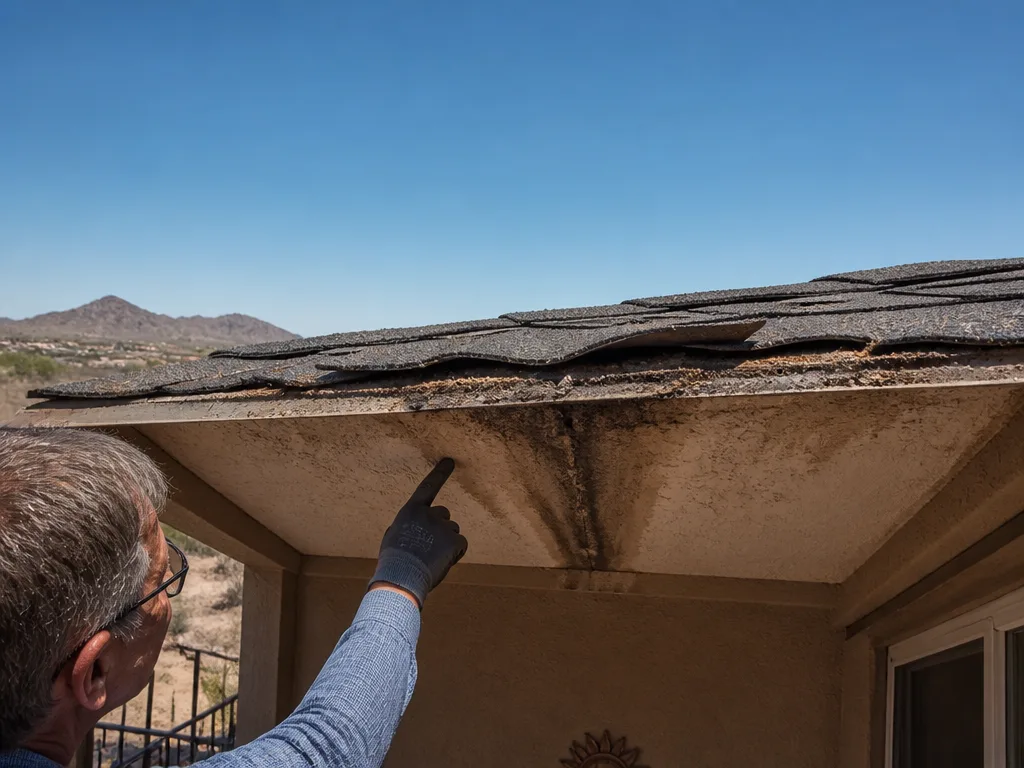
Across Arizona, a roof speaks to you in small signals before a full failure. Look for chronic damp spots on ceilings after rain, persistent staining, or dark patches around flashing and seams. Pay attention to granules that wash into gutters after a storm; that sandpaper feel signals shingle wear. If you notice brittle edges on shingles or curling that extends along the eave line, it is a good time to call our team for an inspection.
Arizona crews see more heat-related wear than many other places. High daytime temperatures and rapid cooling at night can cause shingles to crack or blister. If you have granule loss on shingles in the yard or driveway, or you feel a humid, musty odor inside after rain, those are worth a professional look. Don’t assume a problem will fix itself; small signs can become big problems in a single monsoon season.
What to do when you spot a sign
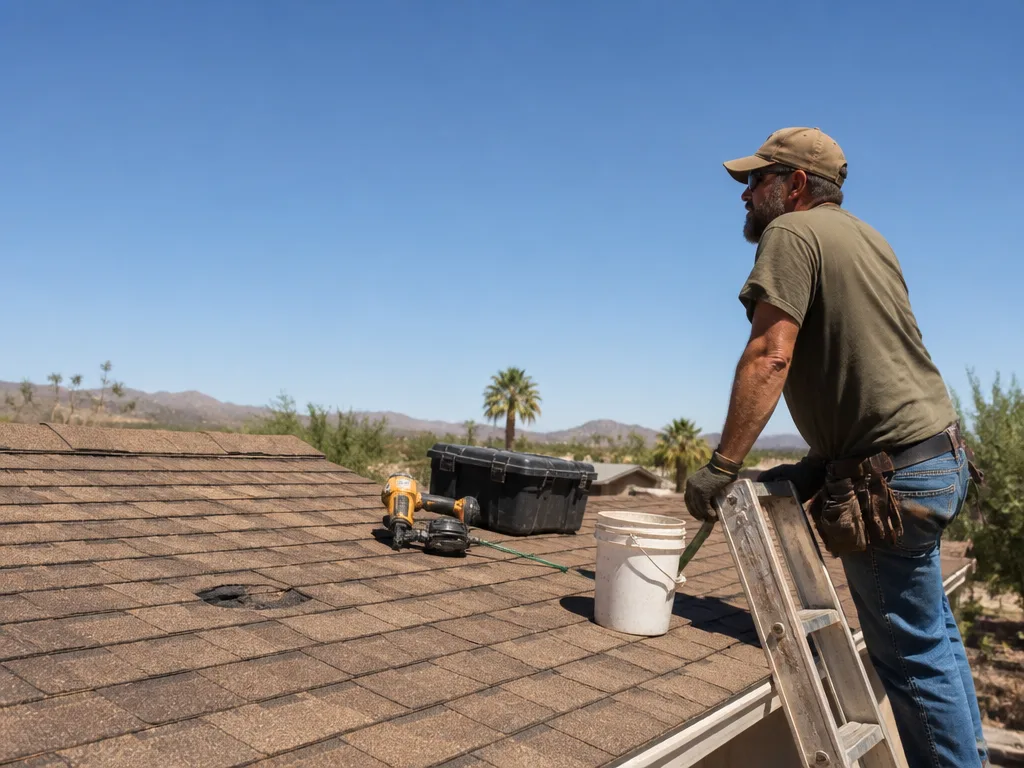
Document the issue with photos and note when you first observed it. Then contact Arizona Gutter Screens for a no-pressure inspection. A roofer will assess the roof condition, interior signs, and attic ventilation. They’ll explain what’s happening and outline options in plain language so you can decide what fits your home and budget.
We recommend action based on evidence, not fear. If you see active leaks or ceiling staining after a storm in Arizona, it’s best to schedule a professional check sooner rather than later. Our crews in every Arizona metro are ready to help you understand the scope and the next steps without delaying essential repairs.
Common scenarios we see across Arizona
Bleached or sun-bleached shingles with exposed underlayment point to aging roofing. Granule loss that shows the dark mat of the roof indicates the protective surface is thinning. A tree branch resting on the roof can cause hidden damage that only shows up after a long rain. These issues aren’t unusual in our climate; they just need a thoughtful repair plan from a roofer who understands Arizona weather patterns.
Remember, a careful inspection can reveal ventilation or insulation shortcomings that contribute to interior moisture. Our team looks at attic air flow, vent placement, and insulation levels to prevent future problems as part of a comprehensive assessment.